

Introduction
Cultured stones, also known as manufactured or artificial stones, have become increasingly popular in the construction and landscaping industries due to their versatility, aesthetic appeal, and cost-effectiveness. These stones are made from a mixture of cement, aggregates, and natural pigments, molded into various shapes and sizes to mimic the appearance of natural stone. While cultured stones offer numerous benefits, such as consistency in color and shape, they require proper maintenance to ensure their longevity and aesthetic appeal. One crucial aspect of maintaining cultured stones is sealing, which helps enhance their durability, protect them from environmental elements, and preserve their beauty over time.
In Going Here , we will explore the importance of sealing cultured stones, the different types of sealers available, the application process, and best practices for maintaining sealed cultured stones. By following these guidelines, homeowners, contractors, and landscapers can ensure that their cultured stone surfaces remain in top condition for years to come.
Why Seal Cultured Stones?
Sealing cultured stones is a critical step in their maintenance and care routine for several reasons. Firstly, sealing helps protect the porous surface of cultured stones from water absorption, stains, and discoloration. Cultured stones are prone to absorbing moisture, which can lead to efflorescence, mold growth, and deterioration over time. By applying a sealer, you create a protective barrier that prevents water penetration and preserves the integrity of the stone.
Secondly, sealing enhances Fusheng and appearance of cultured stones, bringing out the natural beauty of the material. Sealers are available in various finishes, from matte to high gloss, allowing you to choose the level of sheen that complements your design aesthetic. Additionally, sealers can intensify the colors of the stones, making them appear more vibrant and rich.
Furthermore, sealing cultured stones makes them easier to clean and maintain. Sealed surfaces are less likely to accumulate dirt, grime, and stains, as the sealer creates a barrier that repels contaminants. This not only reduces the frequency of cleaning but also simplifies the cleaning process, as dirt and spills can be easily wiped away without penetrating the surface of the stone.
Overall, sealing cultured stones is a proactive measure that helps extend their lifespan, maintain their appearance, and reduce the need for costly repairs or replacements in the future. By investing in proper sealing, you can protect your cultured stone surfaces and ensure that they continue to enhance the beauty and value of your property.
Types of Sealers for Cultured Stones
When it comes to sealing cultured stones, there are several types of sealers available on the market, each with its specific characteristics, benefits, and application methods. Understanding the different types of sealers can help you choose the most suitable option for your cultured stone surfaces. Here are some common types of sealers for cultured stones:
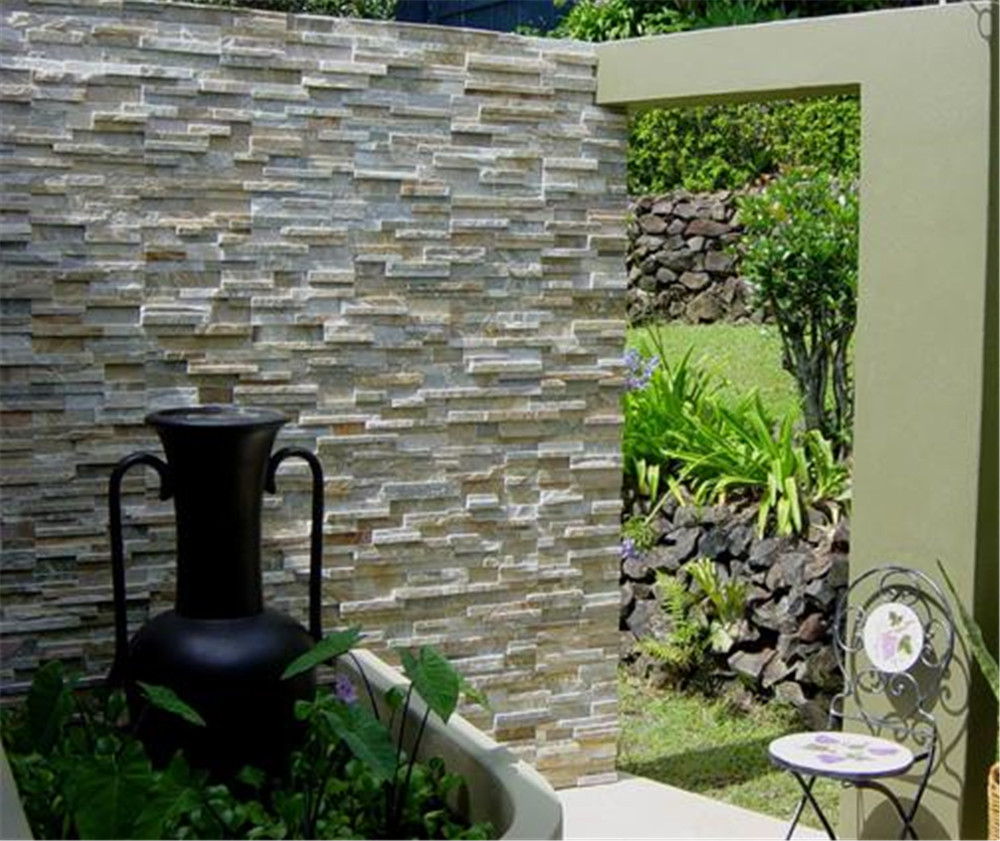
1. Penetrating Sealers: Penetrating sealers, also known as impregnating sealers, are designed to penetrate the pores of the stone and create a protective barrier from within. These sealers are typically water-based or solvent-based and provide invisible protection without altering the appearance of the stone. Penetrating sealers are ideal for natural-looking finishes and are effective in repelling water, oil, and stains.
2. Enhancing Sealers: Enhancing sealers are formulated to enhance the color and texture of cultured stones while providing protection against moisture and stains. These sealers contain color-enhancing additives that deepen the hues of the stone, giving it a wet or polished look. Enhancing sealers are available in matte, satin, and gloss finishes, allowing you to customize the level of sheen according to your preference.
3. Topical Sealers: Topical sealers form a protective film on the surface of the stone, creating a barrier against water, stains, and UV rays. These sealers are available in various finishes, including matte, satin, and high gloss, and are suitable for enhancing the appearance of cultured stones. Topical sealers are easy to apply and provide a durable layer of protection that can withstand heavy foot traffic and weather exposure.
4. Natural Look Sealers: Natural look sealers are designed to maintain the original appearance of the stone while providing protection against water, oil, and stains. These sealers do not alter the color or texture of the stone and are ideal for preserving the natural beauty of cultured stones. Natural look sealers are breathable, allowing moisture vapor to escape while repelling liquid contaminants.
5. High Gloss Sealers: High gloss sealers are formulated to create a shiny, reflective finish on cultured stones, enhancing their visual appeal and creating a luxurious appearance. These sealers are ideal for indoor applications, such as countertops and floors, where a glossy finish is desired. High gloss sealers provide excellent protection against stains, scratches, and abrasion, making them suitable for high-traffic areas.
Choosing the right sealer for your cultured stones depends on various factors, including the desired finish, level of protection required, and the location of the stone installation. Before selecting a sealer, consider the porosity of the stone, exposure to moisture and sunlight, and the intended use of the surface to determine the most appropriate type of sealer for your specific needs.
Application Process for Sealing Cultured Stones
Sealing cultured stones is a straightforward process that can be completed with the right tools, materials, and techniques. Before applying the sealer, it is essential to prepare the surface properly to ensure optimal adhesion and penetration of the sealer. Here is a step-by-step guide to sealing cultured stones:
Step 1: Clean the Surface
Start by cleaning the cultured stone surface thoroughly to remove dirt, dust, and debris. Use a mild detergent or stone cleaner and a scrub brush to scrub the surface and remove any stains or residues. Rinse the surface with clean water and allow it to dry completely before proceeding to the next step.
Step 2: Test the Sealer
Before applying the sealer to the entire surface, perform a small test in an inconspicuous area to ensure compatibility and desired results. Apply a small amount of sealer on the stone and observe how it interacts with the surface, checking for changes in color, texture, or finish.
Step 3: Choose the Appropriate Sealer
Select the type of sealer that best suits your cultured stone surface, taking into account factors such as porosity, exposure to moisture, and desired finish. Refer to the manufacturer's instructions for specific recommendations on the application of the sealer.
Step 4: Apply the Sealer
Using a brush, roller, or sprayer, apply the sealer evenly on the surface of the cultured stones, ensuring complete coverage. Work in small sections to avoid missing any areas and ensure that the sealer penetrates the pores of the stone. Allow the sealer to penetrate for the recommended time specified by the manufacturer.
Step 5: Wipe Off Excess Sealer
After the sealer has penetrated the surface, use a clean, lint-free cloth to wipe off any excess sealer from the surface of the stones. Pay attention to any drips or puddles of sealer that may have accumulated and remove them promptly to prevent streaking or uneven finish.
Step 6: Allow to Cure
Allow the sealer to cure according to the manufacturer's instructions before exposing the surface to foot traffic or moisture. Typically, sealers require 24 to 48 hours to fully cure and achieve maximum protection. Avoid touching or disturbing the sealed surface during the curing process.
Step 7: Apply Additional Coats (Optional)
Depending on the porosity of the stone and the level of protection desired, you may need to apply multiple coats of sealer. Follow the manufacturer's recommendations for the number of coats required and the waiting time between applications.
Step 8: Maintain Regularly
To prolong the life of the sealer and maintain the integrity of the cultured stone surface, it is essential to clean and reseal the surface periodically. Follow a regular maintenance schedule to ensure that the sealer remains effective in protecting the stones from stains, moisture, and UV damage.
Best Practices for Maintaining Sealed Cultured Stones
In addition to sealing cultured stones, there are several best practices for maintaining sealed surfaces and ensuring their long-term durability and beauty. By following these guidelines, you can protect your investment and enjoy the aesthetic appeal of cultured stones for years to come. Here are some best practices for maintaining sealed cultured stones:
1. Clean Regularly: To prevent dirt, grime, and stains from accumulating on sealed cultured stones, clean the surface regularly with a mild detergent or stone cleaner. Avoid harsh chemicals or abrasive cleaners that may damage the sealer and the stone surface. Use a soft brush or cloth to gently scrub the surface and remove any contaminants.
2. Avoid Harsh Chemicals: When cleaning sealed cultured stones, avoid using acidic or alkaline cleaners that can degrade the sealer and affect the appearance of the stones. Opt for pH-neutral cleaners that are safe for use on sealed surfaces and will not compromise the integrity of the sealer. Test any new cleaning products in an inconspicuous area before applying them to the entire surface.
3. Protect from Impact: Cultured stones, like natural stones, are susceptible to chipping, cracking, and impact damage. Take precautions to protect sealed surfaces from heavy objects, sharp tools, and impact forces that can cause physical damage to the stones. Use coasters, trivets, and protective pads to prevent scratches and dents on countertops and floors.
4. Reseal Periodically: Over time, the sealer on cultured stones may wear off due to exposure to UV rays, foot traffic, and environmental elements. To maintain the effectiveness of the sealer and ensure continued protection, reseal the surface periodically according to the manufacturer's recommendations. Regular resealing will prolong the life of the stones and preserve their appearance.
5. Address Stains Promptly: If spills or stains occur on sealed cultured stones, clean them up promptly to prevent discoloration or damage to the surface. Blot up liquid spills with a clean cloth and use a mild detergent or stain remover to treat stubborn stains. Avoid scrubbing aggressively or using abrasive tools that can scratch the surface of the stones.
6. Protect from UV Exposure: Cultured stones installed in outdoor settings are exposed to UV radiation, which can cause the sealer to degrade over time. To protect sealed surfaces from UV damage, consider using a sealer with UV inhibitors or applying a UV-resistant topcoat to maintain the integrity of the sealer and prevent discoloration of the stones.
7. Use Mats and Rugs: In high-traffic areas or outdoor spaces, consider placing mats, rugs, or runners on sealed cultured stone surfaces to reduce wear and tear from foot traffic. Mats can help trap dirt, debris, and moisture, preventing them from scratching or staining the stones. Choose non-abrasive mats that are suitable for use on sealed surfaces.
Conclusion
Sealing cultured stones is a critical step in preserving their beauty, enhancing their durability, and protecting them from environmental damage. By choosing the right sealer, following the proper application process, and maintaining sealed surfaces regularly, you can ensure that your cultured stone installations remain in top condition for years to come. Whether used for indoor or outdoor applications, sealed cultured stones add elegance, sophistication, and value to any property, making them a popular choice for homeowners, contractors, and landscapers alike. By investing in proper sealing and maintenance, you can enjoy the timeless beauty and enduring quality of cultured stones in your living spaces.